Wren Kowalczyk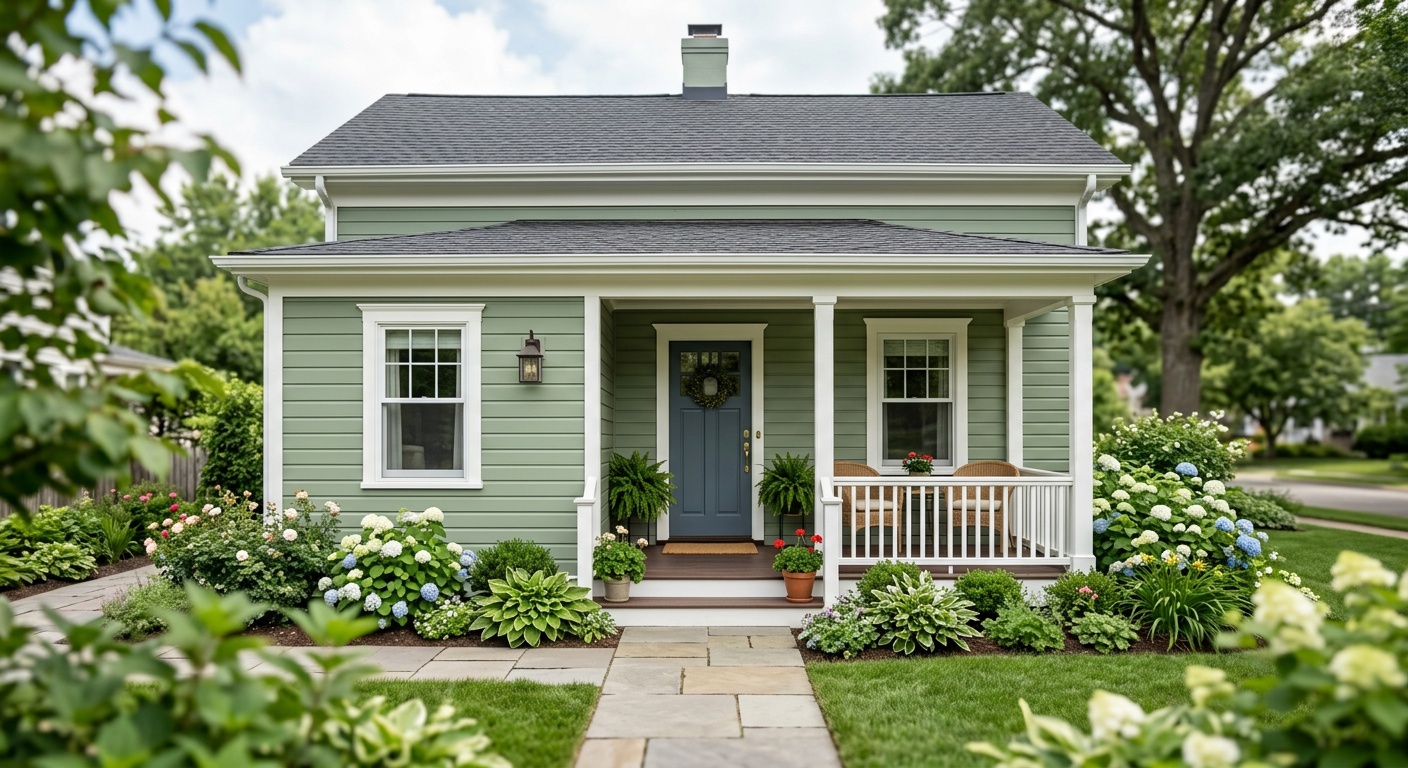
How Much Does Exterior House Painting Cost for a Zen Renovation?
Reading time: 8 minutes
Table of Contents
- Why Zen Renovations Are Trending in 2026
- The Real Cost Breakdown
- What Drives the Price Up or Down
- Zen Color Palettes and Their Cost Impact
- DIY vs. Professional Painting
- Common Challenges (and How to Solve Them)
- FAQs
- Your Roadmap Forward
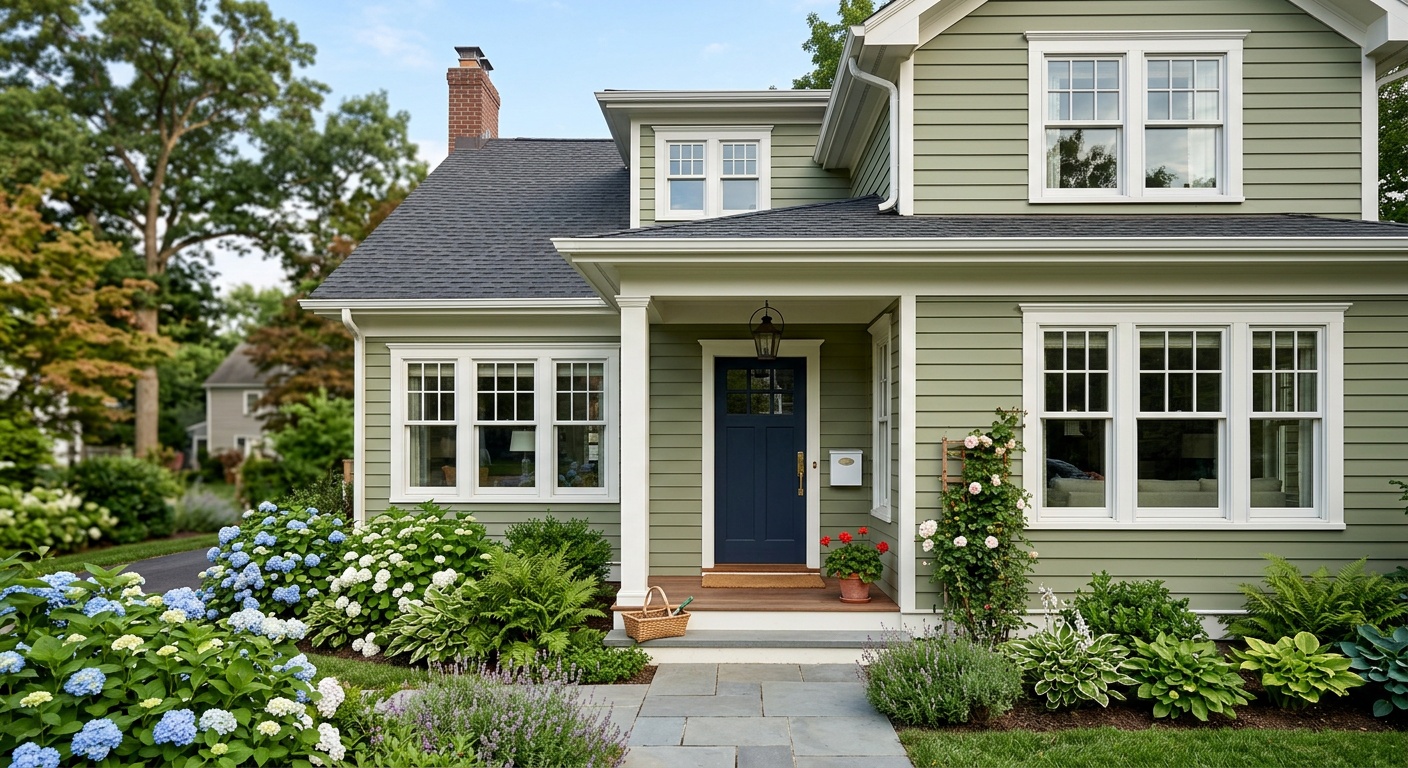
Ever stood in your driveway, staring at your house, wondering why it feels so… loud? Not literally, of course. But visually chaotic, mismatched, tired. That’s the moment most homeowners decide it’s time for a Zen renovation—a design philosophy borrowed from Japanese minimalism that prioritizes calm, natural tones, clean lines, and a sense of quiet harmony with the environment. And exterior painting is almost always the first, most impactful step.
Here’s the straight talk: a Zen-inspired exterior repaint isn’t just about picking a soothing gray-green or warm taupe. It’s a strategic investment that touches material choice, labor complexity, and long-term maintenance. Let’s break down what it actually costs in 2026, and how to avoid overpaying for the calm you’re chasing.
Why Zen Renovations Are Trending in 2026
According to the 2026 American Home Improvement Survey, nearly 34% of homeowners renovating this year cited “reducing visual stress” as a top motivator—up from 21% just three years ago. Designers point to pandemic-era burnout, remote work fatigue, and a broader cultural shift toward wellness-centered living spaces. Exteriors are no longer just curb appeal; they’re the first therapeutic touchpoint of a home.
“Clients aren’t asking for trendy anymore,” says Mira Okafor, a residential designer based in Portland who specializes in biophilic and Zen exteriors. “They’re asking for spaces that feel like they can breathe. That starts with color restraint and material honesty on the outside.”
The Real Cost Breakdown
Let’s get to the numbers you actually came here for. In 2026, exterior house painting costs typically fall into these ranges, based on national averages from contractor surveys and material supplier data:
- Small home (1,000–1,500 sq ft): $2,800 – $5,200
- Mid-size home (1,500–2,500 sq ft): $5,000 – $9,500
- Large home (2,500–4,000 sq ft): $9,000 – $16,000
- Zen-specific premium finishes (limewash, natural pigments, matte clay-based coatings): add 15–30% to base cost
That premium isn’t arbitrary. Zen aesthetics often call for specialty finishes—limewash, mineral paints, or low-sheen natural pigment coatings—that cost more per gallon and require more skilled application than standard acrylic latex.
Sample Case Study: A Suburban Zen Makeover
Take the Alvarez family in Sacramento, who repainted their 2,100-square-foot ranch home in early 2026. They wanted a soft sage-gray body with warm oak-toned trim and a charcoal front door—a classic Zen palette. Their quote breakdown looked like this:
- Surface prep (power washing, scraping, minor siding repair): $950
- Primer (two coats, weather-resistant): $600
- Premium mineral-based paint (body + trim): $3,400
- Labor (3-person crew, 5 days): $2,850
- Total: $7,800
That’s roughly $3.71 per square foot—slightly above the national mid-size average, largely because of the mineral paint upgrade and additional siding repair.
Sample Case Study: A Small Urban Bungalow
Compare that to Jordan Lee’s 1,150-square-foot bungalow in Austin. Jordan opted for a simpler approach: a single muted clay-tone body color with no trim contrast, using standard high-quality acrylic paint instead of specialty mineral coatings.
- Surface prep: $400
- Primer: $250
- Paint (standard premium acrylic): $900
- Labor (2-person crew, 2 days): $1,100
- Total: $2,650
Same Zen philosophy, dramatically different budget—proof that minimalism doesn’t have to mean expensive.
What Drives the Price Up or Down
Quick scenario: imagine two identical houses on the same street. One costs $6,000 to repaint, the other $11,000. What’s the difference? Usually, it comes down to five factors:
- Surface condition: Peeling paint, rotten wood, or stucco cracks mean more prep labor before a brush even touches the wall.
- Paint type: Mineral, limewash, and natural clay-based paints cost 20–40% more than standard acrylics but offer superior breathability—ideal for Zen aesthetics that emphasize natural material honesty.
- Number of colors and trim complexity: Zen designs often use fewer colors, which can actually reduce labor time compared to busy Victorian-style trim work.
- Home geometry: Multiple stories, steep rooflines, or intricate architectural details increase both time and safety equipment costs.
- Regional labor rates: Painters in coastal metro areas charge 25–45% more per hour than those in rural or mid-size markets.
Zen Color Palettes and Their Cost Impact
Not all “calming” colors are priced equally. Here’s a simple comparison of popular Zen exterior palettes and their relative cost impact compared to standard white:
Notice the pattern? Darker and more “natural” pigment-based finishes cost more, mainly due to pigment density and specialty formulation. Limewash, in particular, requires multiple thin coats and experienced applicators, which drives up both material and labor costs.
DIY vs. Professional Painting
Here’s where balanced perspective matters. DIY exterior painting can save 40–60% of total project cost, but it comes with real trade-offs—especially for Zen finishes that demand precision and even application.
| Factor | DIY | Professional |
|---|---|---|
| Average Cost (mid-size home) | $1,800 – $3,200 | $5,000 – $9,500 |
| Time Investment | 2–4 weekends | 3–7 days |
| Finish Consistency | Variable | High (uniform sheen/coverage) |
| Warranty/Guarantee | None | 2–10 years typical |
| Best For | Small, single-story homes | Complex finishes, tall homes |
Pro tip: if you’re using specialty Zen finishes like limewash or mineral paint, hire a professional at least for the first coat. These materials behave differently than standard latex and can streak or blotch without proper technique.
Common Challenges (and How to Solve Them)
Challenge 1: Underestimating Prep Work
Homeowners often budget for paint but forget prep. Power washing, scraping, patching, and priming can account for 20–25% of total cost. Solution: always request a line-itemized quote that separates prep from painting so you know exactly what you’re paying for.
Challenge 2: Choosing Trendy Colors That Clash With Architecture
A muted olive might look stunning on a mid-century modern home but feel out of place on a Victorian. Solution: work with a color consultant for a one-time fee ($150–$300) before committing to gallons of paint you can’t return.
Challenge 3: Skipping Weather Windows
Painting in humid or extreme temperature conditions causes premature peeling. Solution: schedule Zen exterior projects during dry, mild seasons—typically spring or early fall in most U.S. regions—to maximize paint longevity, which can extend repaint cycles from 7 years to 10–12 years.
FAQs
Is limewash paint worth the extra cost for a Zen exterior?
Yes, if longevity and authentic texture matter to you. Limewash bonds chemically with masonry and develops a soft, weathered patina over time that many designers consider the definitive Zen look. It costs more upfront but often outlasts standard acrylic in dry climates.
How often does a Zen-style exterior need repainting?
With quality mineral or limewash coatings, expect 8–12 years between repaints, compared to 5–7 years for standard acrylic paint, assuming proper prep and moderate climate conditions.
Can I mix DIY and professional work to save money?
Absolutely. Many homeowners handle prep work themselves—power washing, scraping, taping—and hire professionals only for the actual painting. This hybrid approach can save 15–25% without sacrificing finish quality.
Your Roadmap Forward
Ready to turn your exterior into a calm, intentional space rather than another checkbox renovation? Here’s your practical next-step checklist:
- Get three itemized quotes that separate prep, primer, paint, and labor costs.
- Sample your Zen palette on an actual wall section before committing to full gallons.
- Decide early whether mineral/limewash premium finishes fit your budget and climate.
- Schedule around weather—spring and early fall remain the safest windows in 2026.
- Consider a hybrid DIY-professional model to balance cost and quality.
As wellness-driven design continues reshaping how we think about our homes, exterior painting is quietly becoming one of the most powerful (and cost-effective) tools for creating everyday calm. So, what would it feel like to pull into your driveway and actually feel your shoulders drop? That’s the real return on investment here—and it’s closer than you think.